
START HERE
A beautiful kitchen starts with a better plan.
The expensive mistakes often happen before demolition: vague bids, rushed decisions and assumptions nobody puts in writing.
How a $65,000 bid can become $115,000
Illustrative scope / cost
- Quoted project price
- $65,000
- Omitted electrical, plumbing and permit scope
- +$12,000
- Cabinet, stone and appliance allowance gaps
- +$18,000
- Concealed repairs and layout rework
- +$15,000
- Delay-related living and storage costs
- +$5,000
- Illustrative overrun
- +$50,000
Illustration only, not a real project, Los Angeles price estimate, HM quote or typical outcome. The $50,000 figure describes potential combined exposure, not a claim that every mistake costs $50,000 or a promise of savings. All financial examples in this guide are illustrative.
MISTAKE 01
Choosing the lowest number
A cheaper bid can hide a more expensive project.
Why it gets expensive
A $65,000 quote and an $85,000 quote are only comparable if they buy the same kitchen. Missing demolition, disposal, finish work or trade labor can make a low bid look better than it is.
What to do instead
Request the same written scope from every bidder. Separate fixed-price work, allowances, optional upgrades and exclusions. Identify who pays for tax, delivery, installation and permit fees.
ASK YOUR CONTRACTOR
What is excluded, what is an allowance, and what could increase this price?
Ask for a revised, itemized bid before comparing totals.
Official resources: S2.
MISTAKE 02
Hiring before verifying
Great photos are not proof of a qualified contractor.

Why it gets expensive
A polished website does not prove that the business signing your contract is qualified or insured. Check the exact legal entity and the credentials needed for the work at your address.
What to do instead
Verify the exact contractor business and appropriate license classification through CSLB. Match the contract and payee to the record. Ask for current insurance details, confirm coverage with the insurer, and speak with recent kitchen clients.
ASK YOUR CONTRACTOR
Which business signs my contract, which licensed trades perform the work, and who supervises the project?
Save CSLB checks, license details, insurance and reference notes.
MISTAKE 03
Paying too much, too soon
Your payment schedule should follow real progress.

Why it gets expensive
Front-loading payments reduces your leverage if work stalls. A large deposit without a clear purpose, documented materials or a written schedule puts more of your budget at risk.
What to do instead
Agree on a written deposit and progress-payment schedule. Tie payments to defined work and materials, then verify progress before paying. CSLB's general home-improvement guidance caps the down payment at $1,000 or 10% of the contract price, whichever is less. Custom-order materials do not automatically justify more. Confirm any claimed statutory exception with CSLB.
ASK YOUR CONTRACTOR
What completed work or delivered materials trigger each payment?
Get receipts and discuss subcontractor payment records and lien protections.
MISTAKE 04
Signing a vague contract
If it matters to you, it belongs in the agreement.

Why it gets expensive
Phrases such as "complete kitchen" or "standard finishes" leave too much open to interpretation. A detailed contract is where you define the result, responsibilities and how disagreements or changes will be handled.
What to do instead
Include drawings, material specifications, exclusions, start and completion timing, payment milestones, cleanup and warranty terms. Require written change orders showing scope, price and schedule impact before changed work begins.
ASK YOUR CONTRACTOR
Can we attach the final drawings, specifications and exclusions to the signed contract?
Keep a complete signed copy and every approved change order.
Official resources: S3.
MISTAKE 05
Skipping the permit plan
Do not let "we never need one" end the conversation.

Why it gets expensive
Permit needs depend on the work and the city serving your property. Structural, electrical, plumbing or mechanical changes may require permits and inspections; cosmetic work may be treated differently.
What to do instead
Confirm the scope with your local building department before work begins. Los Angeles, Calabasas and surrounding cities have their own processes. Assign responsibility for applications, fees, inspections and corrections in writing. A Los Angeles mailing address alone does not identify the permit authority. LADBS lists nonstructural residential kitchen remodels under express permits; this is not a permit exemption.
ASK YOUR CONTRACTOR
Which permits and inspections apply, who handles them, and how will I receive final sign-offs?
Keep permit numbers and final inspection records in your project file.
MISTAKE 06
Ignoring what is behind the walls
An older home needs investigation, not optimism.


Why it gets expensive
Old plumbing, electrical limitations, moisture damage or structural issues may not be visible during a casual walkthrough. A cosmetic estimate cannot guarantee the condition of concealed work.
What to do instead
Arrange appropriate preconstruction evaluation. Agree on a discovery process: stop affected work, document the condition, price the remedy and get approval. For covered paint-disturbing work in pre-1978 homes, verify EPA lead-safe certification and practices.
ASK YOUR CONTRACTOR
What have you inspected, what is still unknown, and how will hidden conditions be priced?
Set a project-specific contingency with your team and keep it separate from upgrades.
Official resources: S8.
MISTAKE 07
Ordering before the layout is final
A kitchen must work before it looks good.

Why it gets expensive
A gorgeous island can obstruct an appliance door or a main walkway. A late appliance change can affect cabinetry, countertop cutouts, electrical needs and ventilation. These decisions are connected.
What to do instead
Approve a measured plan with exact appliance model numbers before ordering. Check door and drawer swings, clearances, seating and storage. Have the team confirm utility and ventilation requirements against manufacturer instructions and local requirements.
ASK YOUR CONTRACTOR
Have you checked this layout against the exact appliances and how we use the room?
Sign off on a coordinated plan; avoid ordering from inspiration images alone.
MISTAKE 08
Leaving finishes as allowances
"Included" does not always mean fully covered.

Why it gets expensive
An allowance is a budget placeholder, not a promise that any product you choose will fit the price. Small gaps across cabinets, stone, tile, fixtures and appliances can add up quickly.
What to do instead
Choose products early. List cabinet construction, finish, hardware, countertop material, edge detail, backsplash area and installation scope. Ask whether allowances include tax, freight, fabrication, labor and contractor markup, and how credits work.
ASK YOUR CONTRACTOR
What exactly does each allowance buy, and what is the installed price of my actual selection?
Replace major allowances with priced selections wherever practical.
MISTAKE 09
Starting without an exit plan
The schedule, changes and finish line need owners.
Why it gets expensive
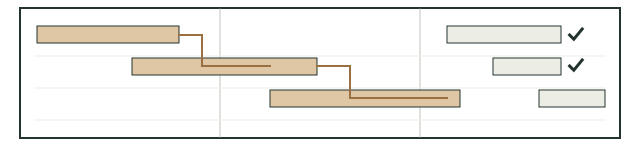
Demolition is easy to schedule; a functioning kitchen is harder. Missing materials, unresolved choices and undocumented changes can extend disruption. Paying everything before closeout can leave loose ends.
What to do instead
Confirm critical deliveries before demolition. Map trade work and inspections, assign a daily contact and hold weekly updates. Track changes in writing. Define the punch list, testing, cleanup, warranties and final inspection documents required for closeout.
ASK YOUR CONTRACTOR
What must be ready before demolition, and what documents and finished work define completion?
Keep a change log and a closeout checklist tied to the contract.
WORKSHEET
Compare the same kitchen.
Print this worksheet. Ask each bidder to fill in missing details before you compare the bottom line.
I = included | A = allowance (write amount) | X = excluded
| Scope / responsibility | Bid A | Bid B | Bid C |
|---|---|---|---|
| Quoted contract total | |||
| Design, measurements and engineering | |||
| Demolition, hauling and protection | |||
| Cabinets, hardware and installation | |||
| Countertop fabrication and installation | |||
| Appliances, delivery and hookup | |||
| Plumbing work and fixtures | |||
| Electrical work and lighting | |||
| Ventilation / hood installation | |||
| Flooring, backsplash and painting | |||
| Permits, fees and inspections | |||
| Allowances: actual selected cost | |||
| Exclusions and unresolved scope | |||
| Start / completion timing | |||
| Payment milestones / warranty |
Do not turn an unknown into $0. Request revised totals for the same scope; keep your contingency separate.
Download the printable worksheet in the PDF ↓BEFORE YOU SIGN
Before signing, check these nine boxes.
OFFICIAL RESOURCES
Check the right authority.
Use these official resources to verify the requirements for your address and project scope. Reviewed October 26, 2026.
S1 · CSLB - Check a contractor license ↗
Match the exact business and review current license information before hiring.
S2 · CSLB - Finding the right contractor ↗
Compare equivalent written bids, check references and verify insurance.
S3 · CSLB - Home improvement contracts ↗
Review payment guidance, written scope and signed change orders.
S4 · LADBS - Permits and inspections ↗
Start with City of Los Angeles review, permits and inspection services.
S5 · LADBS - Express permit bulletin ↗
P/GI 2026-003, revised June 10, 2026; residential kitchens without structural changes are listed.
S6 · LA County - Find the right permit office ↗
Use the Service Locator for an address within Los Angeles County.
S7 · City of Calabasas - Online Permit Center ↗
For Calabasas properties, confirm the local process directly with the city.
S8 · US EPA - Lead-safe renovation for consumers ↗
For pre-1978 homes, understand paint-disturbing renovation and certified lead-safe firms.
S9 · CSLB - California contractor law reference ↗
See Business and Professions Code 7159.5 for payment rules and statutory exceptions; confirm applicability with CSLB.
City of Los Angeles, LA County and neighboring cities have different jurisdictions. A service ZIP is not a permit determination. For another city, use that city's official building department.
OPTIONAL NEXT STEP
Already have a kitchen quote?
Get clarity before you commit.
- BRING
- Your proposal, room photos and your must-have list.
- IDENTIFY
- Missing scope, allowance gaps and unclear responsibilities.
- ASK
- Which decisions need an itemized answer before signing?
Request a no-obligation quote review from HM Interior & Remodeling, the team that sent you this guide.
Bring your proposal, kitchen photos and must-have list. We can help you spot missing scope, unclear allowances and questions worth asking.
Visit HM’s contact page ↗No pressure to hire. No obligation to move forward. A conversation or appointment is optional; downloading the guide does not request an estimate, authorize a call or reserve a meeting.
LET’S TALK ABOUT YOUR KITCHEN
Your next step starts here.
Planning a remodel or comparing quotes? Reach HM through its public contact page.
Planning a remodel or comparing quotes? Use the public contact page to ask about your kitchen. Any call or appointment is arranged separately with HM.
Contact HM Interior & Remodeling ↗HM focuses on kitchen projects with planned budgets of $30,000 and above. This is a project-fit threshold, not a price quote or the cost of the guide. Exact service ZIP and project fit must be confirmed; the wider Los Angeles area is not a blanket coverage promise.
No meeting is required to use this guide. Any consultation or appointment is arranged separately with HM. Public contact path checked October 26, 2026.